Direct buyer · Payment before removal · No fees or commissions

Practical guides for hospitals, ambulatory surgery centers, and specialty practices handling surplus, retired, or decommissioned equipment. Each covers the process end to end — what to inventory, how to sequence removal, what documentation to keep, and where projects usually go wrong. Written for the people who actually run these projects.
 Checklist
The equipment side of closing a surgery center, phase by phase — timeline, inventory, removal logistics, and the documentation to keep.
Read more → Answer
The three fee structures in this market — commission, consignment, and direct purchase — and what “no upfront fees” actually means.
Read more → Answer
Realistic timelines under each model, from first contact to payment and cleared space — and which dates actually matter in a closure.
Read more → Answer
How removal costs fall under auction, consignment, and direct purchase — and what to confirm in writing before the building has to be empty.
Read more → Guide
GuideWhat to inventory, what information a buyer needs, how offers are structured, and how to sequence a sale around clinical operations.
Read more →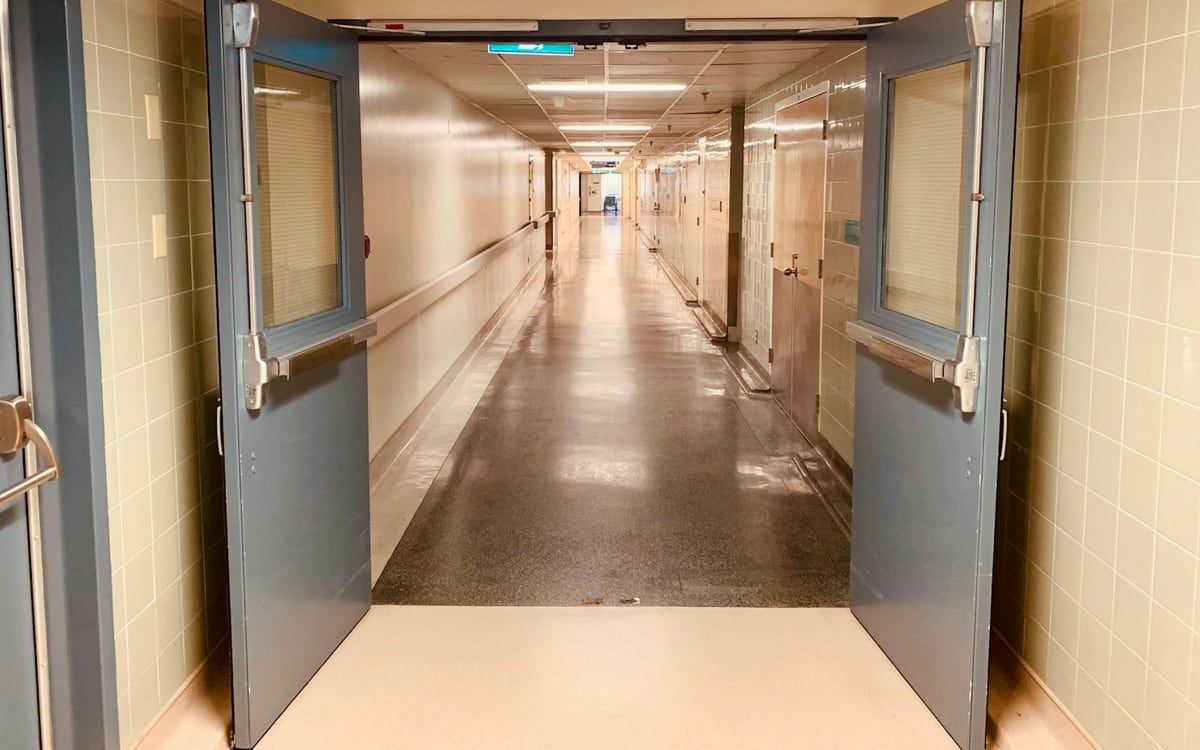 Guide
GuideHow liquidation projects are structured at hospital scale, how to phase by department, and what to plan before a date is committed.
Read more → Checklist
A room-by-room checklist for taking an operating room out of service, covering inventory, disconnection, egress, and documentation.
Read more → Guide
GuideHow to handle displaced equipment during a surgery center build, expansion, or refresh, and when to make the surplus decision.
Read more → Comparison
How auction, consignment, and direct sale differ for facilities disposing of medical equipment — payment timing, risk, deadlines, and unsold items.
Read more → Best Practices
How to manage surplus clinical equipment — cadence over thresholds, inventory at retirement, deliberate backup, and consistent documentation.
Read more →Send your equipment list and we return a written offer within one business day. There are no fees or commissions, and no obligation.