
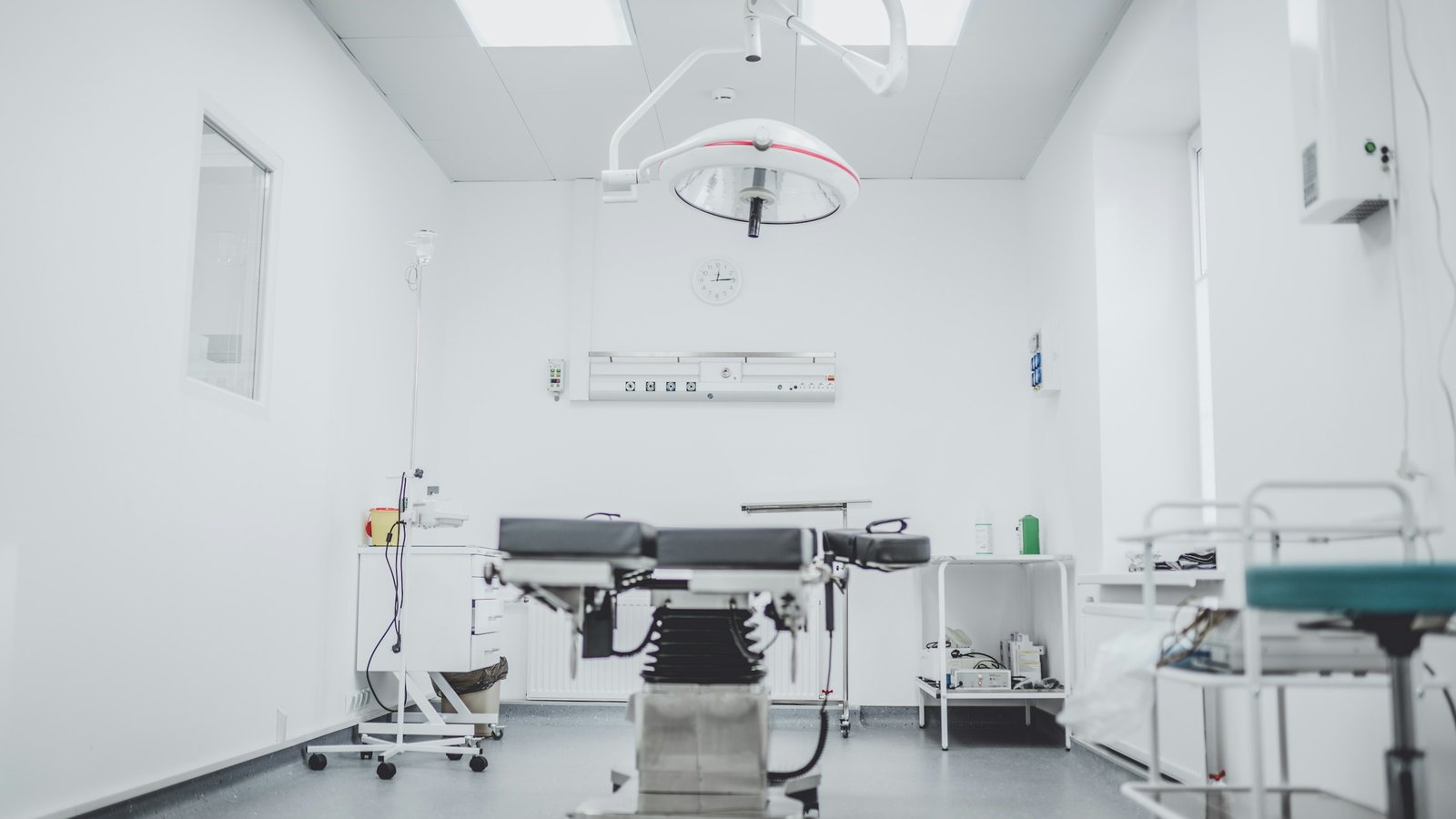
OR Decommissioning Checklist
Operating room decommissioning requires coordination across clinical, facilities, supply chain, compliance, and construction teams. Missing a step in the pre-removal process creates delays, compliance gaps, or infrastructure damage. Use this checklist as a planning tool for OR decommissioning projects.
- Checklist
- For OR, facilities & supply chain
Pre-Removal Requirements
- Confirm the OR is fully taken offline from the active surgical schedule.
- Verify all surgical cases have been relocated to alternate ORs or external facilities.
- Coordinate with infection control on terminal cleaning requirements before decommissioning begins.
- Confirm the utility isolation plan with facilities: gas, electrical, medical gas, HVAC.
- Notify equipment management of the decommissioning timeline.
- Obtain internal asset-disposal approval per facility policy.
- Identify all network-connected devices and initiate the IT data-review process.
- Confirm insurance certificates for the removal contractor.
- Brief the removal team on facility access protocols, badge requirements, and traffic routes.
- Confirm loading-dock availability and elevator scheduling for removal day.

Equipment Categories
- Surgical tables and patient positioning systems.
- Ceiling-mounted surgical lights: disconnect from ceiling mount and cap electrical.
- Overhead equipment booms and service pendants: confirm utility capping plan.
- Laparoscopic and video-integration towers.
- Electrosurgical units and specialty surgical devices.
- Anesthesia machine: confirm gas-line disconnection and purge protocol.
- Patient monitoring equipment.
- OR furniture: back tables, ring stands, instrument carts, kick buckets.
- Sterilization case carts and transport equipment.
- Cable management, wall-mounted accessories, and architectural equipment.
- Surgical instruments, if included in scope.

Documentation
- Complete asset-inventory list signed off by supply chain and equipment management.
- Disposal authorization form per facility policy.
- Purchase agreement or transfer documentation from the buyer.
- Payment confirmation received before removal begins.
- Chain-of-custody documentation completed for every asset removed.
- IT confirmation of data-review completion for all network-connected devices.
- Insurance certificate from the removal contractor on file.
- Fixed-asset ledger update initiated with disposal records.
- Equipment management sign-off on removal of all clinical devices.
Safety and Compliance
- Confirm all anesthesia gas lines are properly disconnected and capped by qualified personnel.
- Ensure boom-system utility lines are isolated before disconnection begins.
- Verify the removal team follows infection-control protocols for equipment with potential patient contact.
- Confirm removal routing avoids active sterile fields in adjacent ORs.
- Ensure heavy-equipment movement routes are identified and communicated to facilities.
- Confirm removal is completed before contractor demolition or construction begins.
- Retain a copy of all removal documentation for the minimum six-year audit-retention period.

Frequently asked questions.
It depends far more on the egress route and ceiling-mounted items than on the equipment count. Confirm the route before estimating a duration.
It should not be. Schedule after the last case of the day or at weekends so a room is never partially cleared with a case pending.
Whoever is licensed for the mounting and services involved. Agree this before the date is set. It is the most common cause of a removal running over.
Relocating displaced equipment into a corridor or adjacent room as an interim step. It gets moved twice and frequently ends up written off from storage.
Yes. Sub-sterile and adjacent storage assigned to the room holds a meaningful share of the equipment and is routinely missed.
An inventory signed off by supply chain and equipment management, the facility's disposal authorization, the buyer's purchase or transfer documentation, payment confirmation before removal begins, chain-of-custody records for every asset removed, and IT confirmation that network-connected devices have been reviewed for data.
It depends on who buys the equipment. When Surgical Liquidations buys it, removal, packing, and transport are at no cost to the facility, and payment is made before removal begins. See who pays for equipment removal when a facility closes.
Ready to talk to a direct buyer?
Send your equipment list and we return a written offer within one business day. No fees or commissions, and no obligation.
- Direct buyer: no fees or commissions
- Written offer within one business day
- Payment before removal
- Removal, packing, and transport at no cost to the facility
Tell us what you have.
Or call 727-204-6707 and speak to someone today.