Call 727-204-6707Request a Callback
Guide

Hospital Equipment Liquidation: A Complete Guide for Supply Chain Teams

Hospital equipment liquidation is a structured process requiring coordination across supply chain, clinical, facilities, compliance, and finance. Getting it right requires clear process design, appropriate partner selection, and compliance documentation that holds up to audit scrutiny.

Complete GuideFor hospital supply chain teams

This guide covers every stage of the hospital equipment liquidation process, from the decision to liquidate through final clearance documentation.

When to Liquidate

The decision to liquidate is typically triggered by one of several operational or strategic events:
  • Facility closure — a hospital is closing and all clinical assets must be cleared.
  • Service-line consolidation — services move to another campus and equipment is not transferring.
  • Department renovation — equipment must be removed before construction begins.
  • Capital refresh cycle — new equipment is acquired and outgoing units need disposition.
  • Surplus accumulation — storage rooms contain idle equipment generating cost without return.
  • Regulatory or compliance-driven retirement — equipment is flagged for mandatory retirement.
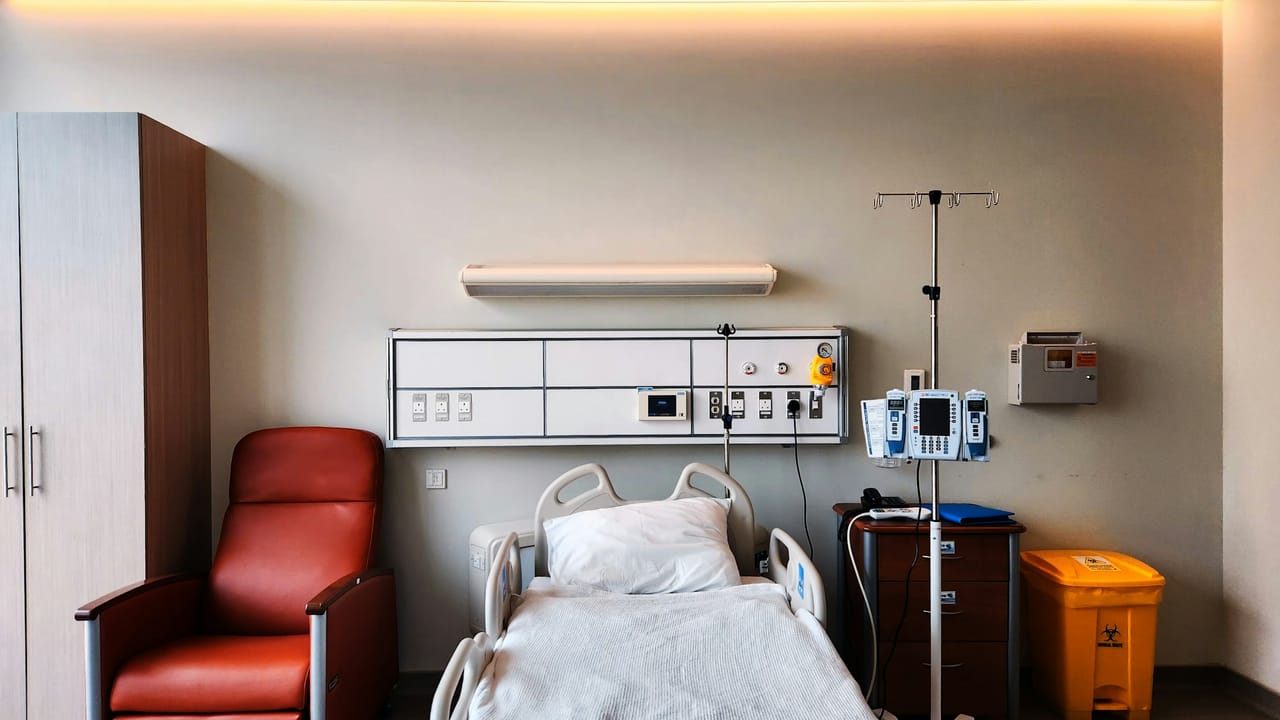
A hospital ward with beds and clinical equipment being cleared during a facility transition.
Closures, consolidations, renovations, and refresh cycles all reach the same point: clinical assets that must be cleared on a schedule.

The Liquidation Process

  1. Inventory all assets eligible for liquidation with complete identification data.
  2. Obtain internal approvals for asset disposal per your facility’s policy.
  3. Engage qualified buyers for assessment and offer.
  4. Review offers and select a buyer based on price, timeline, and process terms.
  5. Execute a purchase agreement with confirmed payment terms.
  6. Coordinate the removal schedule with operations, facilities, and the buyer.
  7. Receive payment before removal begins.
  8. Execute removal per the agreed schedule.
  9. Receive and file chain-of-custody documentation.
  10. Close disposal records in your asset-management system.
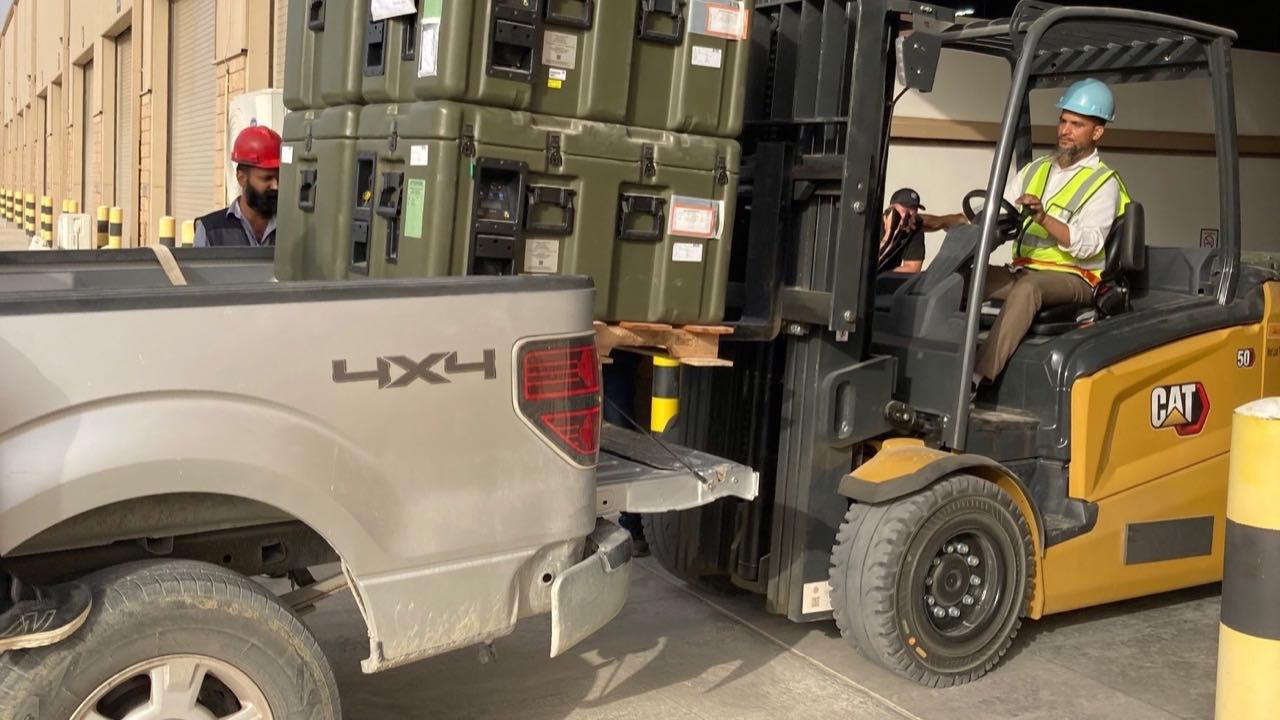
Equipment loaded and removed by a crew with a forklift and transport vehicle.
The process ends in certified, insured removal — equipment loaded and transported only after payment is confirmed and chain of custody is documented.

Choosing a Partner

The right partner understands clinical environments, carries appropriate insurance, provides binding payment terms before removal, and delivers documentation that meets compliance requirements. Key evaluation criteria:

  • Direct buyer status — eliminates auction delays and commission deductions.
  • Payment timing — confirmed before removal, not after resale.
  • Certified technicians — OEM training for the categories being removed.
  • Insurance coverage — general liability and cargo at appropriate limits.
  • Chain-of-custody documentation — provided for every asset removed.
  • Project coordination — a dedicated point of contact for multi-department projects.
  • Nationwide coverage — a consistent process across multiple campuses.

Compliance and Documentation

Hospital equipment liquidation generates documentation requirements across multiple compliance domains. Chain-of-custody records support asset retirement in the fixed-asset ledger, biomedical records, regulatory filings, and internal audit. For network-connected or data-containing devices, HIPAA-compliant data-destruction documentation is required before or concurrent with removal.

Ensure your partner provides itemized chain-of-custody records, not just a summary bill of lading. Individual asset tracking supports the granular documentation requirements of hospital compliance and audit programs.
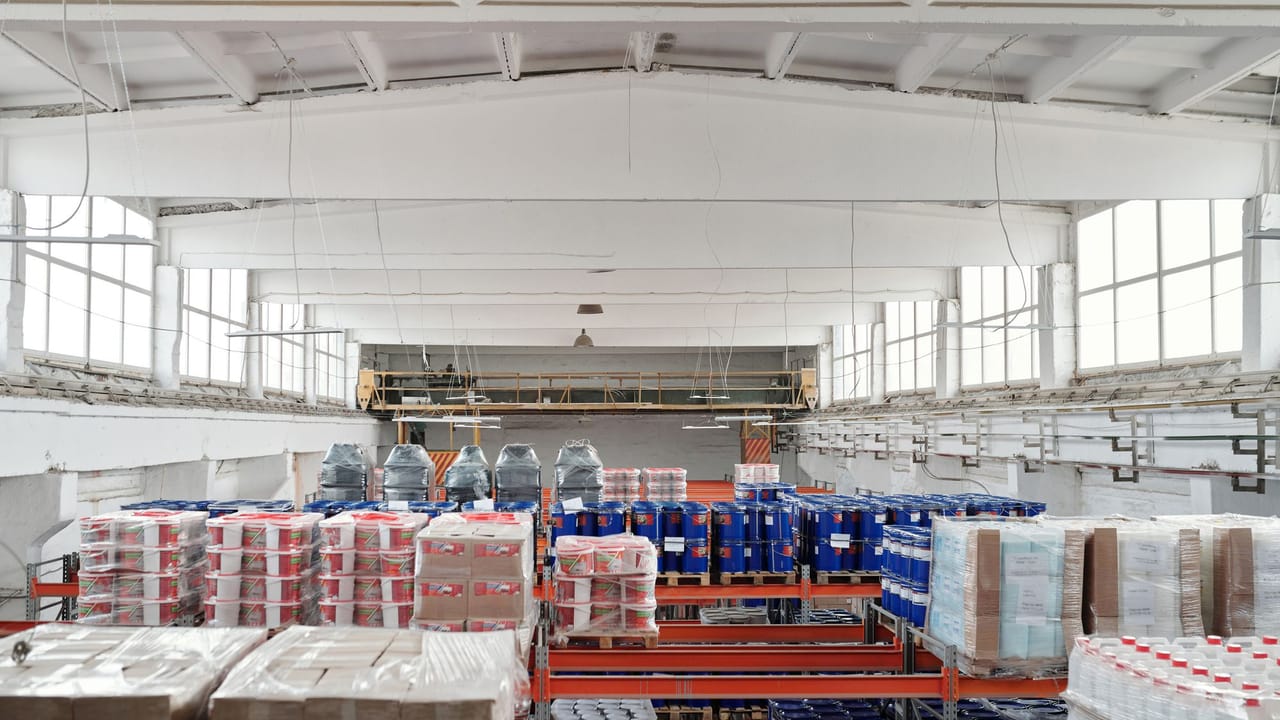
Staff documenting medical assets on a clipboard in an equipment logistics area.
Itemized, per-asset records — not a summary bill of lading — are what satisfy fixed-asset, biomedical, HIPAA, and audit requirements.

Timeline Expectations

Project TypeAssessment to OfferOffer to RemovalTotal Process
Single item or small lot1 business day3 to 5 business daysUnder 1 week
Single department1 to 2 business days5 to 10 business days1 to 2 weeks
Multi-department2 to 5 business days2 to 4 weeks3 to 6 weeks
Full facility closure5 to 10 business days4 to 12 weeks6 to 16 weeks
Get Started

Ready to talk to a direct buyer?

Submit your equipment list and our buyer team responds the same business day with a written offer. No fees. No obligation.

  • Direct buyer — no commissions
  • Written offer in one business day
  • Payment before removal
  • Nationwide coverage
Request a Quote

Tell us what you have.