How to Sell Used Medical Equipment: The Complete Guide

Selling used medical equipment is not the same as selling general commercial assets. Clinical and surgical equipment has specific handling requirements, compliance expectations, and buyer types that do not apply to standard commercial surplus. This guide covers the full process from initial inventory to final payment.

Complete GuideFor supply chain & ASC teams

Whether you are selling a single piece of equipment or liquidating a full department, the same core principles apply: accurate documentation, choosing the right buyer type, and avoiding process mistakes that reduce your recovery or create compliance exposure.
Step-by-Step Process

  1. Build an accurate equipment inventory with make, model, year, serial number, and condition notes.
  2. Gather service-history documentation, including PM records and repair logs.
  3. Research current secondary-market value for your specific equipment categories.
  4. Identify appropriate buyer types for your equipment and timeline.
  5. Request written offers from qualified buyers.
  6. Review the written offers you receive against your own expectations.
  7. Accept the offer and confirm payment and removal terms in writing.
  8. Confirm compliance requirements for the specific equipment being sold.
  9. Execute removal with proper chain-of-custody documentation.
  10. Close the transaction and file disposal records.
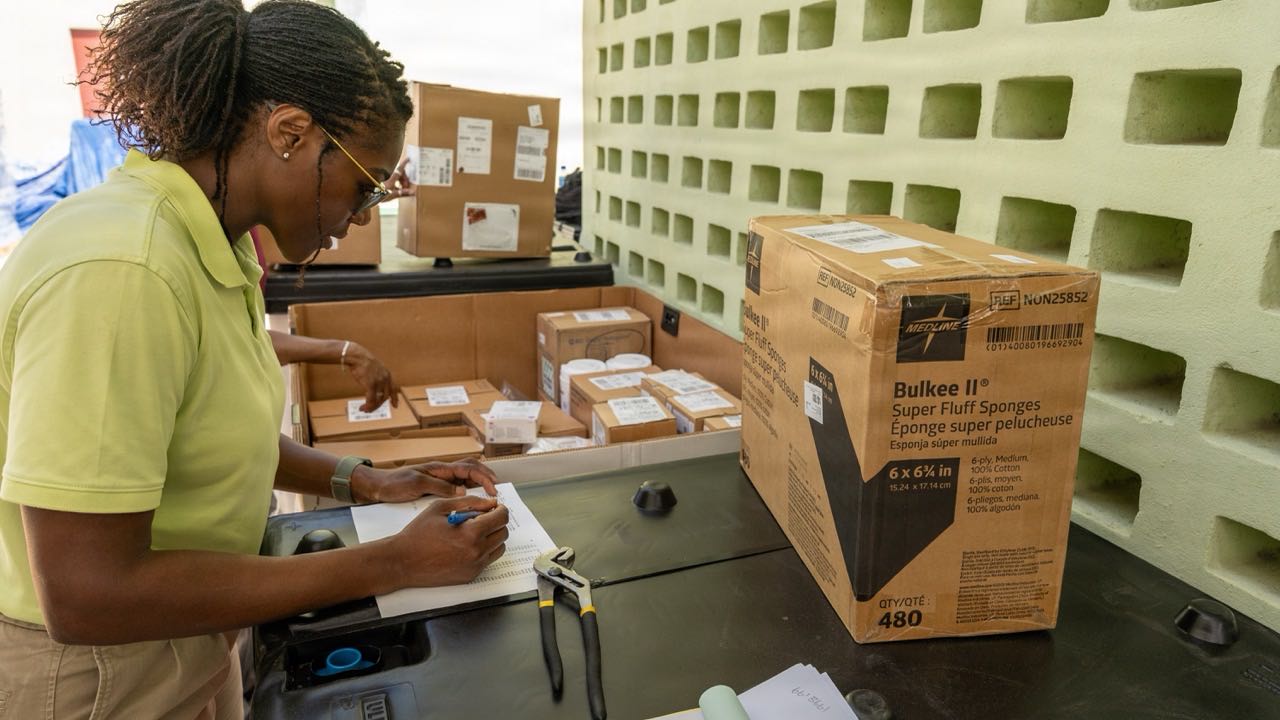
Staff member recording medical equipment details — model, reference number, and quantity — on an inventory sheet.
It starts with an accurate inventory: make, model, serial number, quantity, and condition, backed by service-history documentation.

What Buyers Assess

The secondary-market value of medical equipment is driven by a specific set of factors that differ from general asset-depreciation models. Understanding these factors helps you assess whether an offer reflects market reality.
  • Make and model demand — some manufacturers and platforms have significantly stronger secondary markets.
  • Year of manufacture and software-version compatibility.
  • Current condition: functional, cosmetic, and component integrity.
  • Service and maintenance history — documented PM history supports a stronger offer.
  • OEM support status — equipment still under OEM support commands premium value.
  • Accessories and documentation included with the unit.
  • Current market supply — large volumes of the same model suppress pricing.
  • Active buyer demand in your equipment’s specialty category.
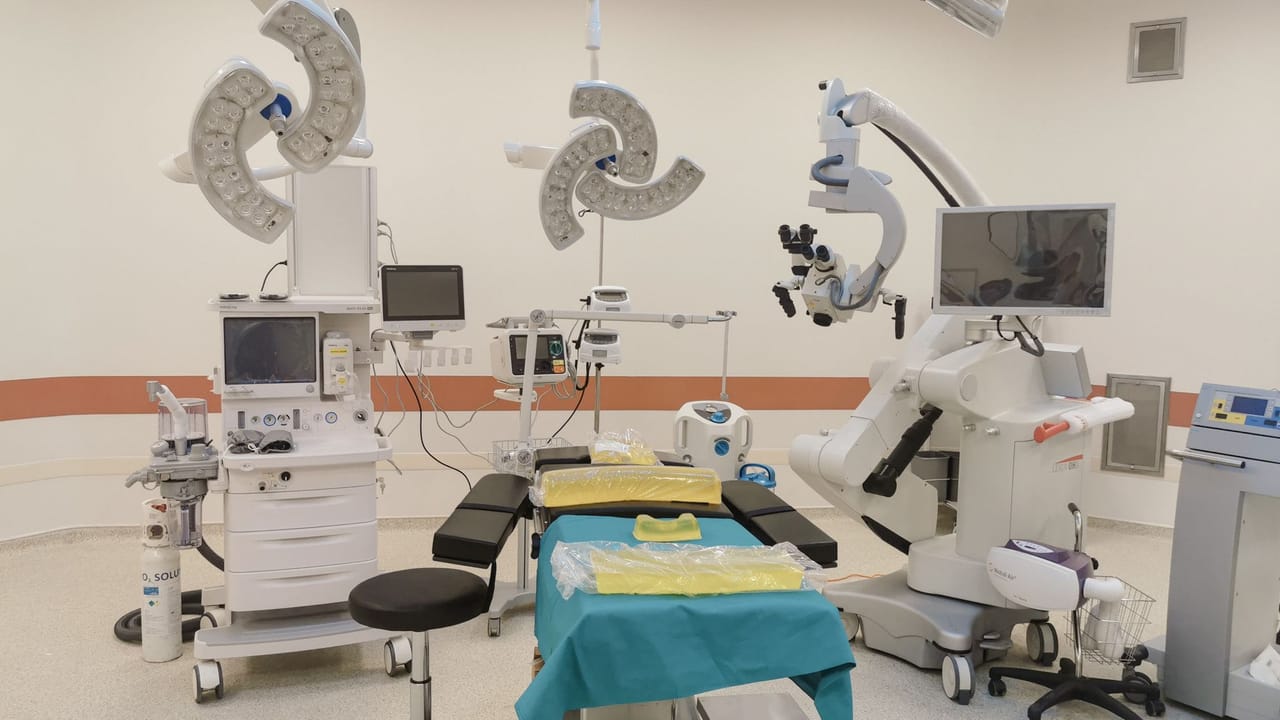
Technicians inspecting a ventilator to assess its condition and service history.
Documented condition, service history, and OEM support status are the biggest drivers of a unit’s secondary-market value.

Types of Buyers

Buyer TypeProcessTimelineFees
Direct BuyerDirect purchase offer, immediate paymentDaysNone
Auction HouseConsignment, bidding processWeeks to monthsSeller commission 10–25%
BrokerLists on your behalf, negotiates with buyersWeeks to monthsCommission on sale
Online MarketplaceSelf-listed, buyer makes contactUnpredictableListing & transaction fees

Common Mistakes

  • Waiting too long to sell — depreciation accelerates as equipment ages and demand shifts.
  • Accepting the first offer without benchmarking against current market value.
  • Using auction platforms for time-sensitive project timelines.
  • Not requiring payment confirmation before allowing removal to begin.
  • Failing to document chain of custody for compliance and audit purposes.
  • Undervaluing equipment by relying on book depreciation rather than condition and configuration.
  • Overlooking accessories and documentation that increase per-unit value.

Maximizing Recovery

The highest recovery per asset typically comes from selling equipment while it still has OEM support, before significant cosmetic wear, and while secondary-market demand for that platform is active. Bulk liquidation during a closure generates lower per-unit recovery than a structured surplus program that sells equipment as it is retired.

Providing service documentation, accessories, and original manuals with equipment consistently improves buyer confidence and offer amounts. A complete submission produces a more accurate — and typically higher — offer than a partial one.
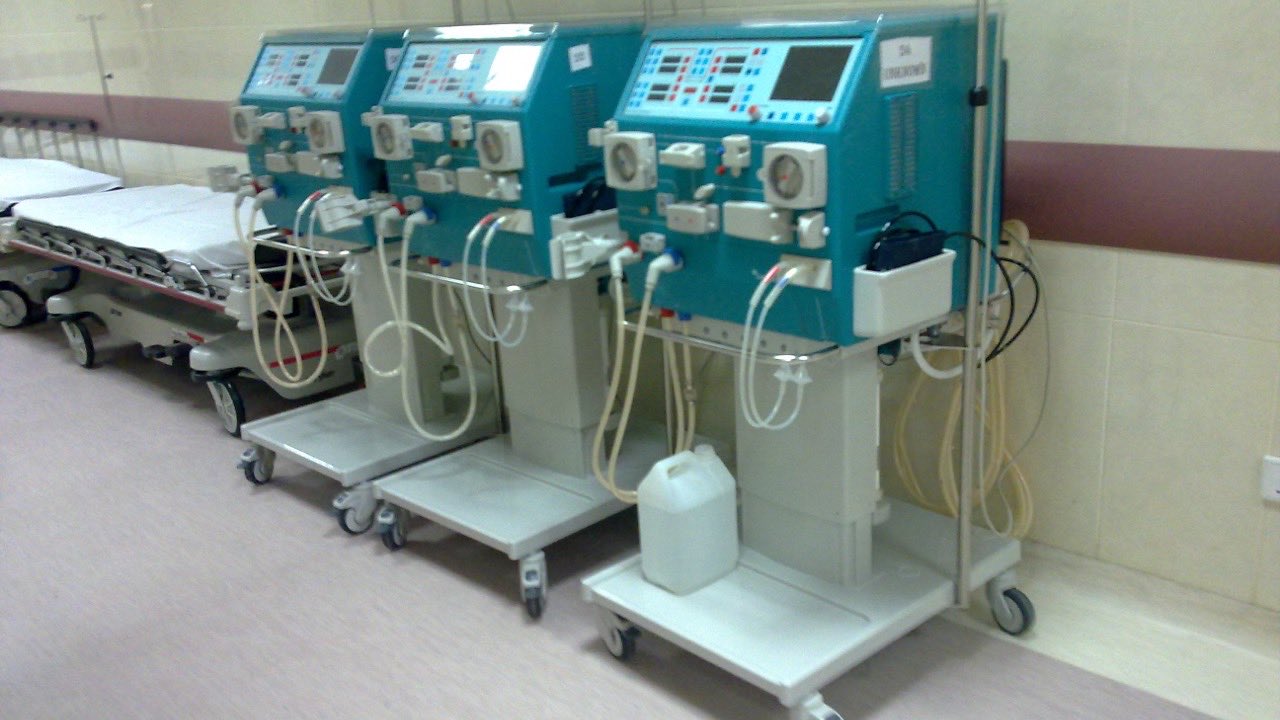
Surplus medical equipment — dialysis machines and a hospital bed — staged together for resale and removal.
A structured surplus program that sells equipment as it is retired recovers more per asset than a single bulk liquidation.

When to Sell

  • When equipment is being replaced by a capital refresh cycle.
  • When a department is shutting down or consolidating.
  • When a facility is closing or being acquired.
  • When equipment has completed its useful service life but retains secondary-market value.
  • When storage cost for idle equipment exceeds projected sale value within six months.
  • When an equipment audit flags a unit for retirement.

Frequently asked questions.

It depends on the structure. A direct sale can complete as quickly as the offer, approval, and removal scheduling allow. Consignment and auction routes depend on finding downstream buyers and cannot be tied to a fixed date.
No, but they speed things considerably. Photographs of labelling plates resolve most gaps.
No. Non-working and end-of-life equipment is regularly purchased. Sorting it out beforehand removes it from assessment for no reason.
Whoever can authorize the sale and coordinate building access — usually a practice owner, administrator, or materials manager.
Send an updated list. A good buyer reissues rather than adjusting at the loading dock.

Ready to talk to a direct buyer?

Send your equipment list and we return a written offer within one business day. No fees or commissions, and no obligation.

  • Direct buyer — no fees or commissions
  • Written offer within one business day
  • Payment before removal
  • Removal, packing, and transport at no cost to the facility

Tell us what you have.